One of the most common questions parents ask is:
“Should my child be listening better by now?”
It’s a fair question, especially when you’re homeschooling and communication plays such a central role in daily learning. The challenge is that listening skills don’t develop all at once. They grow gradually, and what “good listening” looks like can vary widely depending on age and stage.
Understanding age-appropriate listening expectations can help you support your child more effectively and with far less frustration.
Why Listening Skills Change With Age
Listening is a complex skill that relies on several areas of development, including:
- attention span
- language comprehension
- emotional regulation
- memory and processing speed
As children grow, these abilities strengthen, allowing them to listen for longer periods, follow more complex instructions, and respond more thoughtfully.
Rather than comparing children to one another, it’s far more helpful to look at what listening typically looks like at each age.
Ages 3–4: Early Listening Skills
At this age, children are just beginning to develop the foundations of listening.
You might notice that your child:
- follows one-step instructions
- needs frequent reminders
- is easily distracted
- listens best during short, engaging activities
This is very typical. Visual cues, repetition, and simple language are especially helpful here.
Related reading: Supporting Oral Communication Skills in 3–4 Year Olds
Ages 5–7: Developing Listening Skills
As children enter the early school years, listening skills begin to strengthen.
Children at this stage often:
- follow two-step directions
- listen for short periods during lessons
- understand simple explanations
- need occasional reminders to stay focused
This is a great age to practice listening through games, read-alouds, and hands-on activities.
Related reading: Oral Communication Skills for 5–7-Year-Olds: What Parents Should Know
Ages 8–12: Stronger Listening and Comprehension
By this stage, children are capable of listening with greater focus and understanding.
You may see your child:
- follow multi-step instructions
- summarize what they’ve heard
- respond thoughtfully in conversations
- participate in discussions and group activities
That said, distractions, emotions, and fatigue can still affect listening, especially in busy or social settings.
Related reading: Oral Communication Skills for 8–12 Year Olds: Building Confident, Clear Speakers
Signs Your Child May Need Extra Support
Every child develops at their own pace, but extra support may be helpful if your child:
- frequently misunderstands instructions
- struggles to stay engaged even in calm settings
- has difficulty responding appropriately to questions
In many cases, listening challenges are skill-based, not behavioural, and can improve with consistent practice.
You may also find this helpful:
Why Your Child Isn’t Listening (and What You Can Do About It)
How to Support Listening at Any Age
Regardless of age, these strategies can help strengthen listening skills:
- gain attention before speaking
- use clear, simple instructions
- ask your child to repeat directions back
- reduce background noise
- practice listening through everyday activities
Games can be especially effective. You’ll find ideas in:
The Takeaway for Parents
Good listening doesn’t look the same at every age, and that’s okay.
Progress matters more than perfection. With patience, clear expectations, and regular practice, listening skills can continue to grow steadily over time.
Ready for More Support?
Looking for simple, everyday strategies to support communication skills
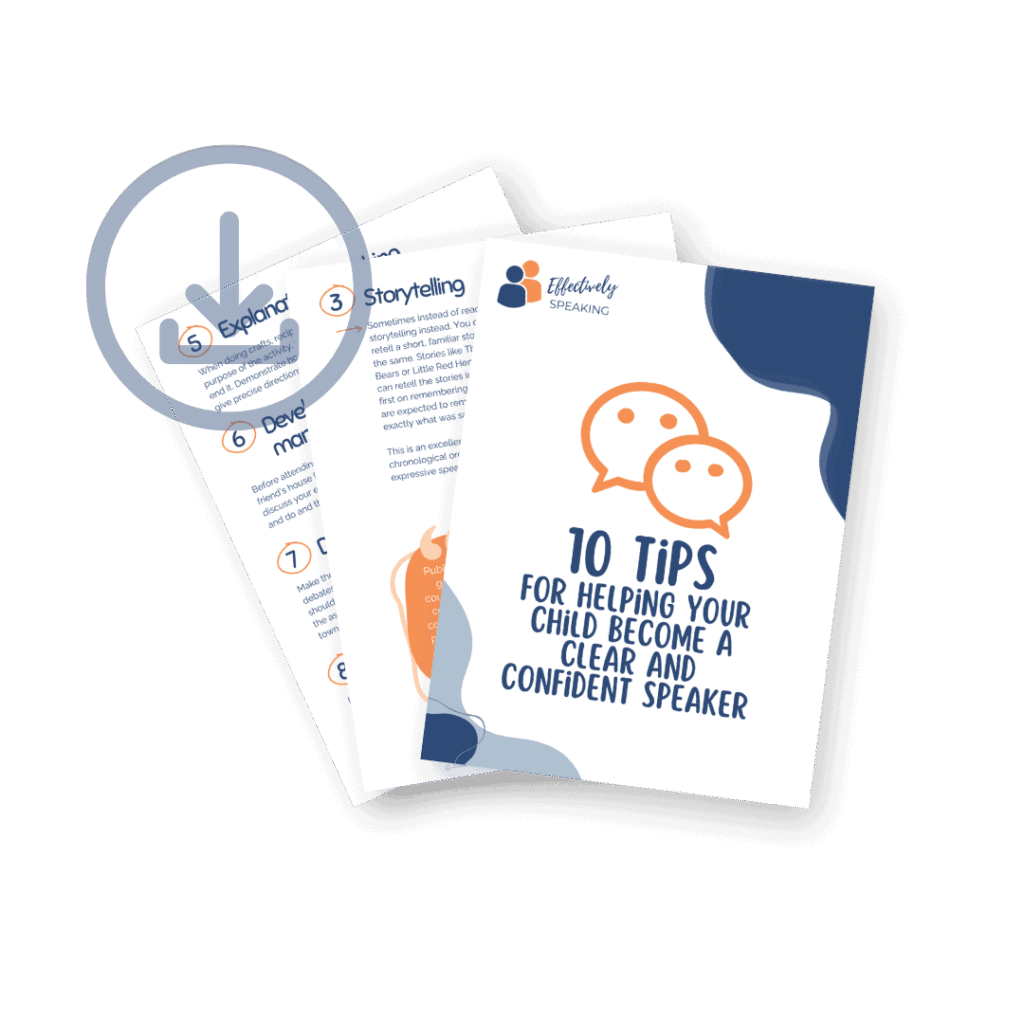
Download our free guide:
10 Tips to Help Your Child Become a Confident Speaker
It’s designed to help parents build listening and speaking skills and confidence, one small step at a time.
Frequently Asked Questions About Children’s Listening Skills
At what age should children listen well?
Listening skills develop gradually. Preschoolers may follow simple instructions, while older children can listen longer and respond more thoughtfully. Expectations should always match age and development.
Is it normal for listening skills to fluctuate?
Yes. Fatigue, emotions, hunger, and distractions can all affect listening, even in older children.
How can I tell if my expectations are age-appropriate?
If your child listens well during short, engaging activities but struggles during long or complex instructions, your expectations may simply need adjusting.
Can listening skills improve with practice?
Absolutely. Listening is a skill that strengthens through consistent, everyday practice, not pressure or punishment.