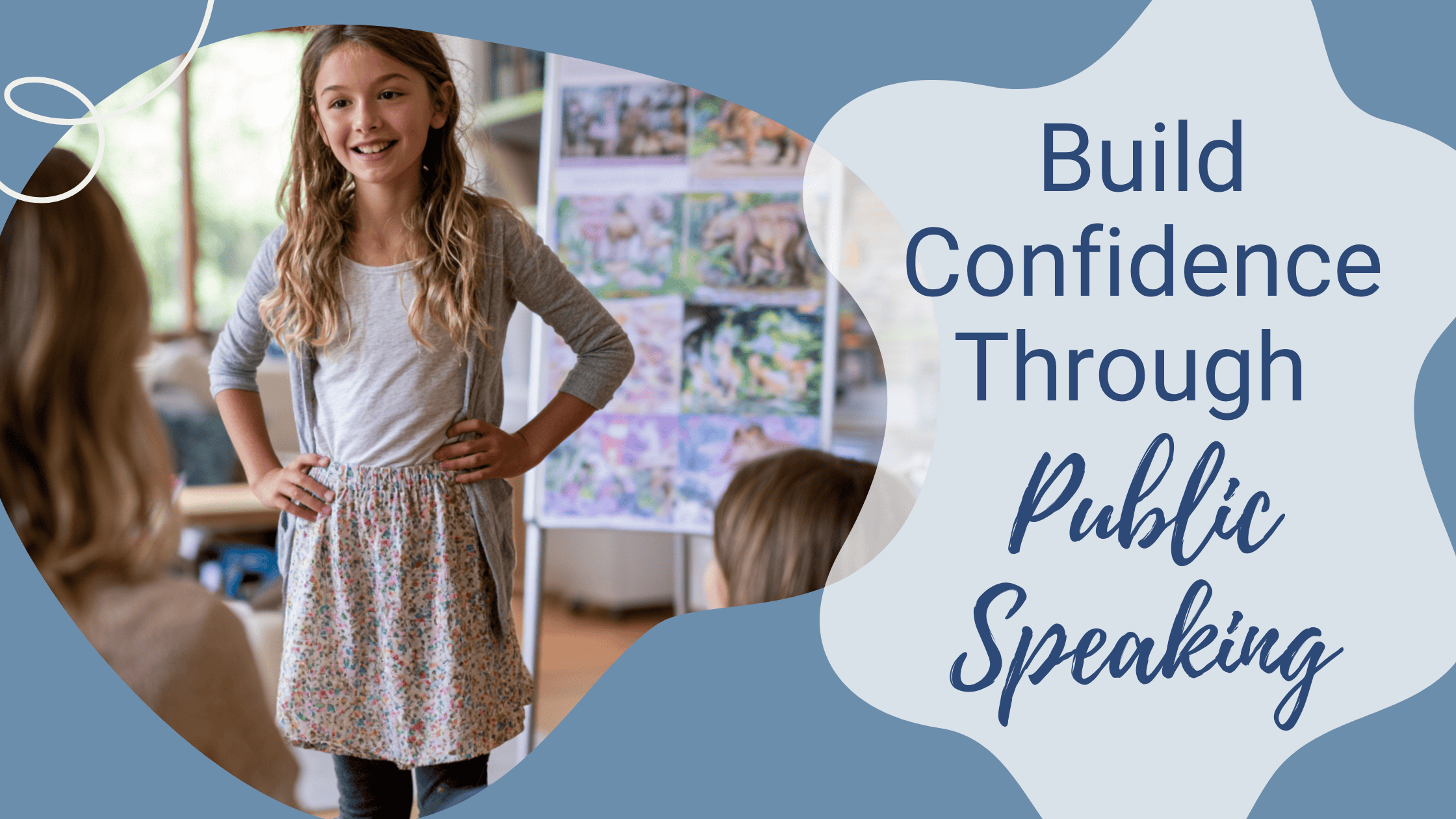
Oral Communication Skills for 8–12 Year Olds
(Oral Communication Blog Series – Part 4)
What oral communication skills should children ages 8-12 be developing to become effective, expressive speakers? You might be surprised at just how much they’re capable of mastering during these years.
This stage is an exciting one. Kids are not only expanding their vocabulary but also learning to present ideas more clearly, hold meaningful conversations, and confidently share their thoughts with others. With the right guidance, encouragement, and practice, they can develop skills that put them ahead of the curve for school, work, and life.
Key Communication Skills for 8-12 Year Olds
- Speak more clearly and expressively.
- Build confidence when speaking to others.
- Deliver more fluent, informative, and engaging presentations.
- Tell stories, both personal experiences and fictional ones, in a structured, compelling way.
- Use precise vocabulary and organized thinking to make their ideas easy to understand.
- Inform, explain, and persuade more effectively.
- Collaborate with others to find solutions to problems.
- Navigate common social situations with appropriate behaviour and respectful communication.
By Age 13, Many Children Can:
- Be easily understood by others, speaking at a steady pace and appropriate volume.
- Appear more confident in conversations, asking and answering questions, sharing opinions, and offering solutions, even if they’re still brief at times.
- Give informative, engaging presentations using charts, images, props, and sometimes audio-visual equipment.
- Tell well-structured stories with descriptive details, clear plot lines, and expressive delivery (changes in pace, pitch, volume, tone, gestures, and facial expressions).
- Support opinions and ideas with examples, analogies, facts, quotes, or reasoning.
- Share ideas respectfully and listen patiently to others.
- Demonstrate appropriate manners in social settings.
Why This Matters
How You Can Help Your Child Build These Skills
If you’re wondering, “How can I teach my child these skills, especially with everything else on their schedule?”, the good news is there are many simple ways to weave communication practice into everyday life:
- Use online resources: Start right here on this website. Explore blog posts and downloadable resources designed for different age levels.
- Encourage public speaking: Look for public speaking classes, debate clubs, or drama programs that teach presentation skills and expressive speaking.
- Create opportunities for discussion: Join clubs or group classes that encourage kids to share ideas with peers.
- Make it part of family time: Host family game nights, storytelling sessions, or themed dinners where everyone shares, learns, and laughs together.
The more opportunities your child has to practice, in both structured and casual settings, the stronger their communication skills will become.
The Takeaway
Communication is more than just talking; it’s connecting, inspiring, and leading. Give your child the tools now, and you’ll help them build confidence that will serve them for life.
Ready to help your child become a confident communicator? Explore our resources and start today.