Do you use a curriculum with your 3- or 4-year-old?
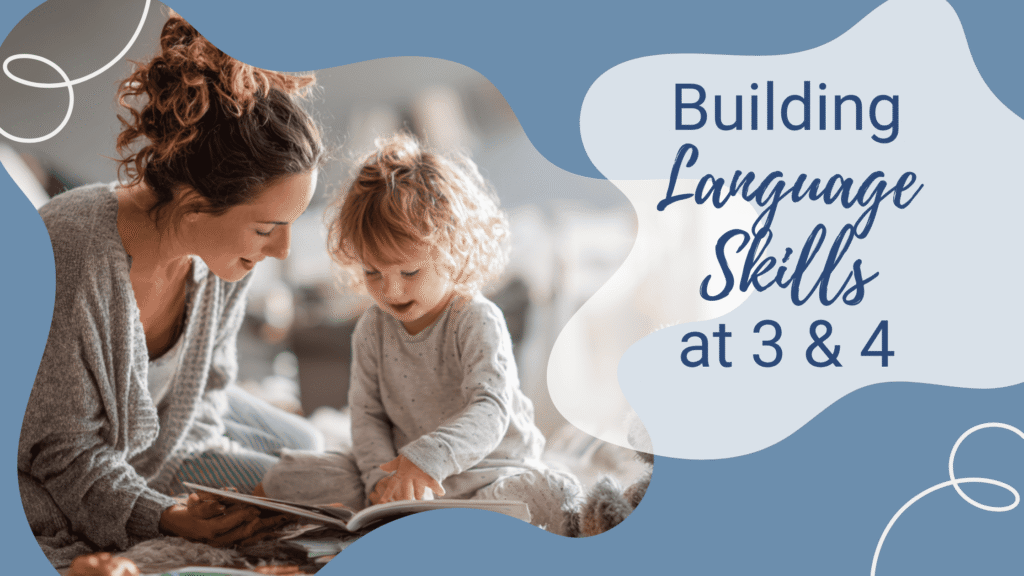
Probably not, most families don’t plan structured lessons for children this young. And yet, these early years are full of language learning and communication development.
At this age, your child is constantly absorbing new words, exploring how to express thoughts, and learning to communicate feelings through play, social interaction, storytelling, and everyday conversation.
Why Oral Communication Matters in Preschoolers
Even without formal instruction, your 3 or 4-year-old is laying the groundwork for essential skills they’ll use in social, academic, and emotional development. This includes:
- Basic conversation and turn-taking
- Clear, expressive speaking
- Social manners and respectful behaviour
- Storytelling and imagination
- Pre-reading and comprehension concepts
- Expressing opinions and sharing feelings
What 3 and 4-Year-Olds Are Learning to Do
- Form most consonant and vowel sounds correctly (though th, l, s, and r may still be tricky)
- Use full sentences and connect thoughts with words like and, or, but
- Greet others with smiles, eye contact, and friendly expressions
- Use body language (facial expressions, gestures) to enhance meaning
- Add details about size, shape, or colour when describing things
- Use changes in pitch, tone, and volume to express emotion or ideas
- Retell stories or talk about events, even if it’s a little out of order
How You Can Support Oral Language Development
- Model Clear and Expressive Speaking
- Talk About What You’re Doing
Explain tasks in simple terms. Use interesting, precise words:
“Let’s scoop the soft, squishy dough into the pan. Can you help me spread it gently?”
- Listen Actively
- Read Together
- Join In Their Play
These everyday exchanges build phonemic awareness, vocabulary, comprehension, and social fluency, without needing a lesson plan.
Add Specific Language-Building Moments
You can also weave in more focused learning moments like:
- Drawing attention to letter sounds during play
- Talking about colors, shapes, and sizes
- Discussing stories during or after reading
- Practicing polite language through role-play
These everyday exchanges build phonemic awareness, vocabulary, comprehension, and social fluency, without needing a lesson plan.
You’re Likely Doing More Than You Think
Chances are, you’re already supporting your child’s oral communication in countless ways, through play, conversation, and curiosity. These moments matter more than you know.
If you’d like to take it a step further, there are even more resources available to help guide your child’s communication journey.
Learn More
- Browse the other blog posts and resources on this site
- Explore tools like The Tiny Talker’s Toolkit or Hershey Speech Coach
- Watch preschool speech and language videos for parents on YouTube
- Check out the Resources section for eBooks and guides on reading aloud, vocabulary building, and more