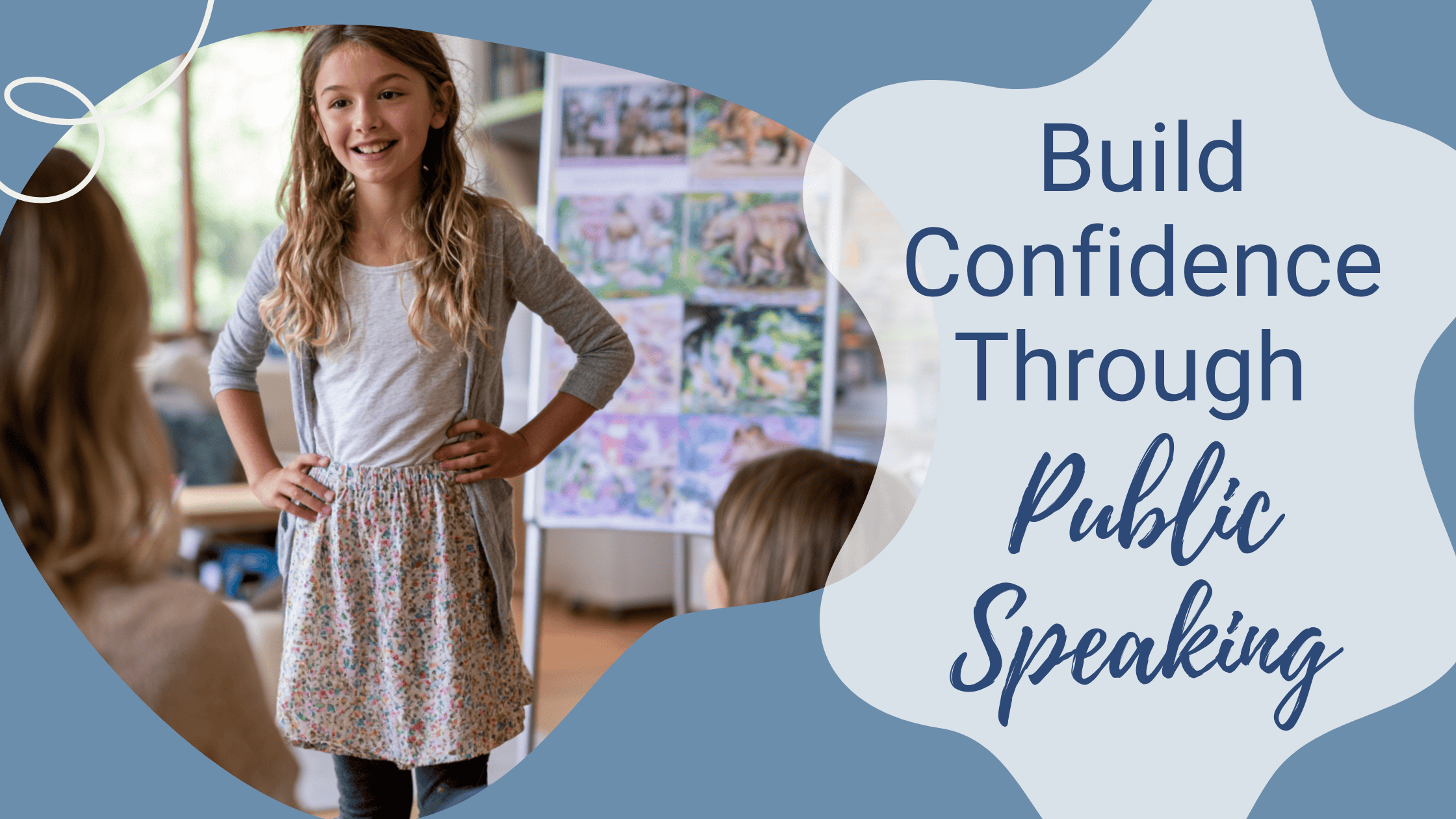
Many homeschooling parents notice the same pattern:
Their child communicates comfortably at home, speaks well with family members, and shares ideas freely…
But put them in a group setting, and suddenly they go quiet.
If this sounds familiar, you’re not alone. Joining group conversations is a skill, and for many children, especially homeschoolers, it takes time and practice to feel confident speaking up.
Why Group Conversations Can Be Hard for Homeschooled Children
Group conversations require several skills at once:
- listening to multiple speakers
- knowing when to speak
- understanding social cues
- finding the right moment to join in
For some children, especially those who are thoughtful, cautious, or shy, this can feel overwhelming.
This doesn’t mean there’s something wrong. It simply means your child needs support and structure, not pressure.
Common Reasons Children Hold Back in Groups
Children may struggle to join conversations when:
- they aren’t sure what to say
- the conversation moves too quickly
- they feel unsure about interrupting
- they’re worried about saying the “wrong” thing
- they’re still building listening and confidence skills
If your child often says, “I don’t know what to say,” you may find this helpful:
Helping Your Child Start a Conversation (Even When They Don’t Know What to Say)
Preparing Your Child Before Group Settings
Confidence grows before the group interaction begins.
Try these gentle preparation strategies:
- talk through what the group might be like
- discuss who may be there and what they might talk about
- role-play simple conversation starters
- practice listening and responding at home
Simple Conversation Starters for Group Settings
Children don’t need clever or complex lines. Simple works best.
Examples include:
- “Can I play too?”
- “What are you doing?”
- “I like that game.”
- “Can I sit here?”
Practicing these phrases aloud helps them feel familiar and easier to use when the moment comes.
You can build on these skills by practicing everyday listening activities, such as those shared in:
Teaching When (and How) to Join In
Many children don’t struggle with what to say, but when to say it.
Help your child learn to:
- listen for pauses
- make eye contact before speaking
- start with a comment related to what was just said
These skills develop gradually and improve with calm, repeated practice.
For more support around listening, you may also want to read:
Supporting Shy or Hesitant Children
If your child tends to hang back, avoid labelling them as “shy” in a negative way.
Instead:
- acknowledge their feelings
- praise small attempts
- avoid pushing them to perform
- give them time to warm up
Confidence grows when children feel accepted exactly where they are.
You may also find encouragement here:
The Takeaway for Parents
Joining group conversations is a skill that develops with patience, preparation, and practice.
Small steps matter. A single comment, a question, or even quiet listening is progress. With steady support, children gain confidence at their own pace, and that confidence lasts.
Ready for More Support?
Looking for practical tools to help your child feel more confident speaking in social situations?
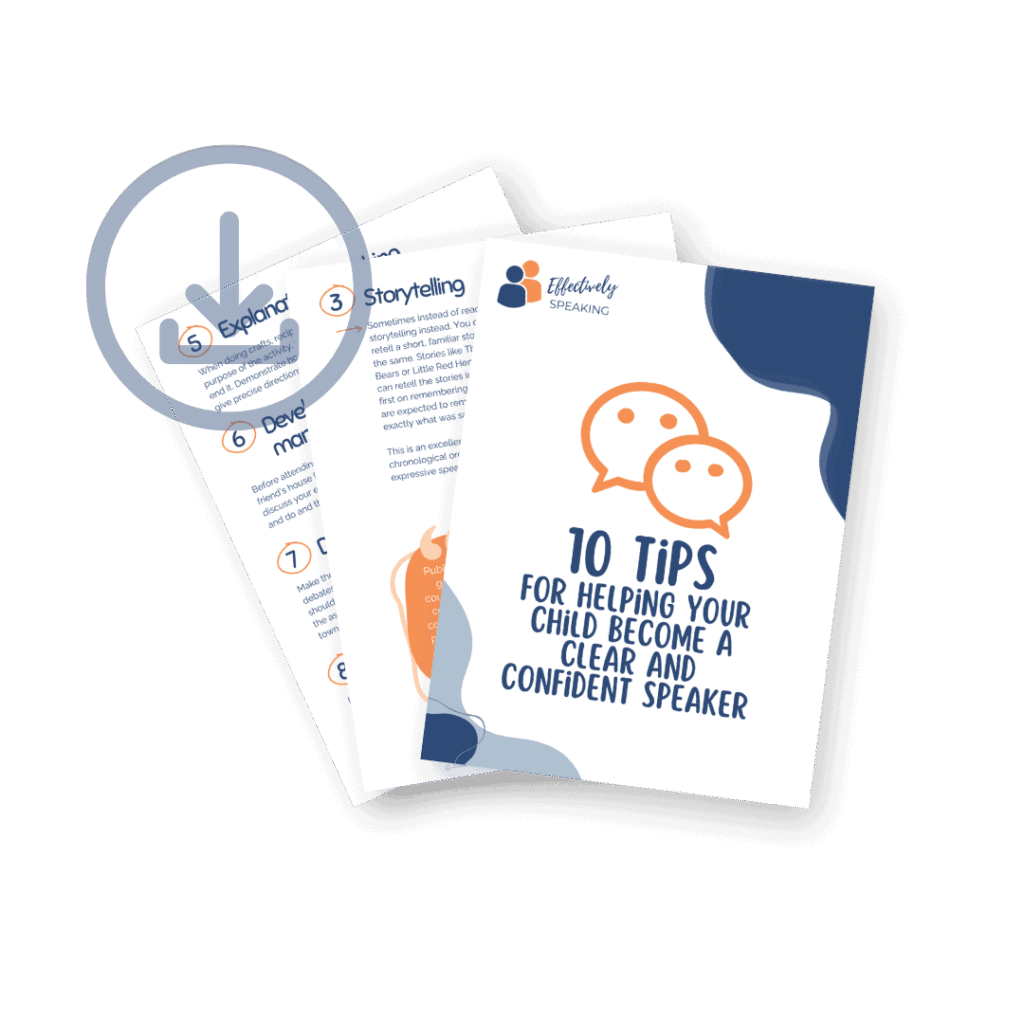
Download our free guide:
10 Tips to Help Your Child Become a Confident Speaker
It’s designed to help parents support communication skills gently, one step at a time.
Frequently Asked Questions
Is it normal for homeschooled children to struggle in groups?
Yes. Homeschooled children often spend more time in one-on-one or family conversations. Group dynamics are different and may require extra practice.
Should I push my child to speak in groups?
Gentle encouragement works better than pressure. Focus on preparation and praise effort rather than forcing participation.
What if my child only talks at home?
This is common. It usually means your child feels safe and confident with familiar people. With support, those skills can transfer to group settings.
How long does it take for confidence to grow?
Every child is different. Progress may be gradual, but consistent practice leads to lasting improvement.