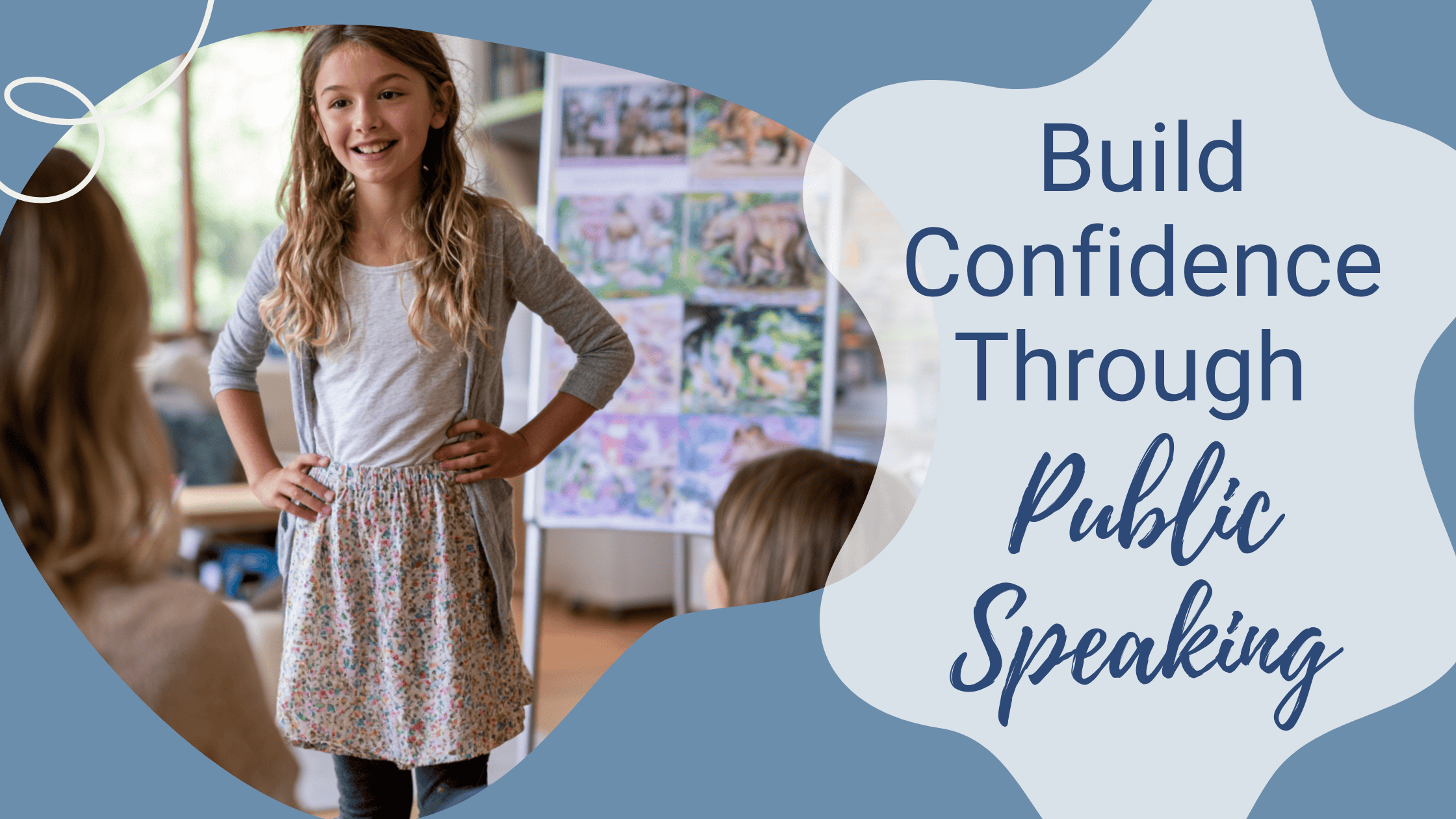
Does your child shy away from conversations?
Do they give one-word answers when meeting people outside your immediate family?
You’re not alone, and you’re not wrong to be concerned. Social confidence plays a huge role in friendships, school success, and future opportunities.
Many children are full of personality at home but go silent in group settings. It’s like watching a Jekyll and Hyde transformation, and it can be confusing and frustrating as a parent.
So… can they be helped?
Absolutely.
Let’s explore some gentle, practical ways you can support your child on their journey toward social confidence.
Understand the Root of Shyness
- They don’t know what’s expected of them in social settings
- They’re afraid to make a mistake or say the wrong thing
- They feel overwhelmed by noise, activity, or unfamiliar people
How You Can Help
If your child is unsure how to behave in social situations, role-playing is a great place to start. Practice common scenarios together, what to say when greeting someone, how to introduce themselves, or how to ask a simple question.
If fear of making mistakes is holding them back, offer reassurance. Let them know we all stumble sometimes and that mistakes are a normal (and helpful!) part of learning.
If large gatherings overwhelm your child, ease them in gently. Start with one-on-one playdates or quiet, familiar environments where they can feel safe and in control.
Your Influence Matters
Children often pick up on our tone and energy, especially in situations where they already feel uncertain. If they sense frustration or embarrassment from you, their own anxiety may increase.
Instead, try to respond with unconditional love and patience. Let them know you’re proud of them for trying, and that progress doesn’t have to be fast to be meaningful.
Practical Confidence-Building Tips
Here are a few things you can do to support your child’s social growth, along with a few habits to avoid.
What to Do:
- Model friendly behaviour: Smile, make eye contact, and engage in simple pleasantries with others in your child’s presence (cashiers, servers, neighbours).
- Encourage baby steps: If your child hides behind you, gently encourage them to stand beside you. Celebrate small moments like making eye contact or standing tall without holding your hand.
- Praise effort, not just outcomes: "I noticed you looked up a few times, that was really brave!" or "You stood right beside me the whole time, I’m so proud of you."
What to Avoid:
- Don’t pressure your child to speak before they’re ready
- Don’t label them as “shy” in front of others, this reinforces the identity
- Don’t expect overnight results. Progress takes time, and that’s okay.
Teach Simple Relaxation Strategies
- Deep, slow breaths
- Squeezing a stress ball or small toy
- Visualizing a favourite calm place
- Imagining themselves as a brave superhero
You're in This Together
Let your child know you see their effort, and that you’re proud of them, whether they speak up or simply make eye contact. Social confidence doesn’t grow overnight, but with support, encouragement, and a few simple strategies, it absolutely can grow.
For more tools to support your child’s communication journey, visit the Resources section of this site. The Conversation Skills eBook is especially helpful for building confidence in social situations.