
Does your child avoid reading aloud?
Do they struggle through the words… or lose interest quickly?
You’re not alone. Many children find reading aloud challenging, whether it’s due to decoding difficulties, lack of confidence, or simply not enjoying the material.
The good news is, reading aloud is a skill that can be developed… and it doesn’t have to feel like a battle.
With the right approach, it can become easier, more engaging, and even enjoyable.
Quick Summary
- Reading aloud is a skill that improves with practice and support
- Choosing the right material makes a big difference
- Pre-reading strategies help with understanding and confidence
- Fluency improves when children read in phrases, not word by word
- Making reading fun increases participation and consistency
- Small, consistent practice leads to long-term improvement
Start by Making Reading Easier
Before focusing on fluency, it’s important to reduce frustration.
You can do this by:
- Choosing simpler texts with familiar words
- Selecting stories your child already knows or can easily understand
- Using short passages instead of long readings
- Introducing pre-reading strategies to build confidence
Try the “Reading Detective” Approach
Before your child starts reading, help them become a “Reading Detective.”
This means looking for clues about the story ahead of time.
Encourage them to:
- Look at the cover and illustrations
- Notice key words or phrases
- Skim a few pages
- Read the first page together
How to Improve Reading Fluency
Fluency is more than just reading words correctly. It’s about reading smoothly, with expression and understanding.
Here’s how you can support that:
- Strengthen phonics skills
- Build vocabulary and sight word recognition
- Encourage reading in phrases instead of word by word
- Model fluent reading by reading aloud yourself
- Add expression with tone, pauses, and emphasis
- Ask questions about the story as you go
Make Reading Aloud More Engaging
One of the biggest barriers to reading aloud is lack of interest.
You can change that quickly by giving your child more choice.
Let them choose what they read:
- Books
- Magazines (like National Geographic Kids)
- Articles on topics they enjoy
- Poems or short stories
It doesn’t have to be perfect. It just has to be interesting enough that they want to try.
You can also:
- Use funny voices and sound effects
- Turn reading into a shared activity
- Celebrate effort, not perfection

Creative Paths to Reading Success
If your child struggles with engagement, this guide on how to help a reluctant reader offers additional strategies that work.
Make It Interactive (and Fun)
Shared Reading
Turn It Into a Performance
Try Readers’ Theatre
Turn reading into a family activity.
Choose a story, assign parts, and read it together. You can even find ready-made scripts online.
This adds energy and makes reading feel less like a task and more like an experience.
Why It’s Worth the Effort
A love of reading aloud may not happen overnight.
But the benefits are worth it.
Reading aloud helps children:
- Build confidence in speaking
- Improve clarity and expression
- Strengthen comprehension
- Prepare for real-life communication situations
These skills carry over into presentations, conversations, and everyday communication.
(And if you’re also working on communication skills, this pairs well with public speaking activities for kids.)
Support Your Child with the Right Tools
If you’d like more structured support, there are resources available to guide your child step by step.
You can explore:
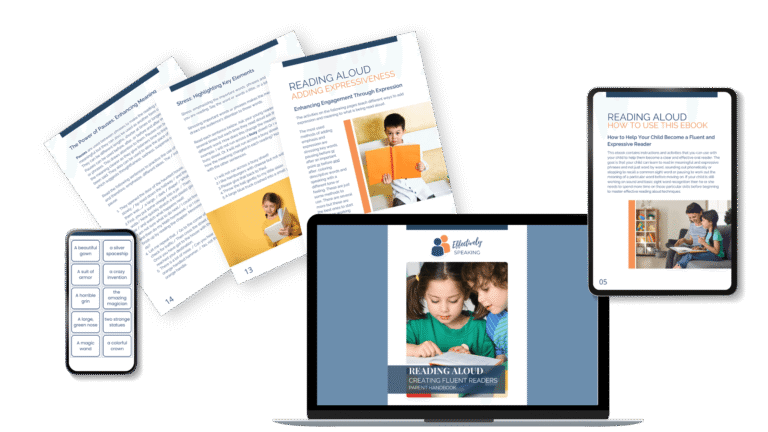
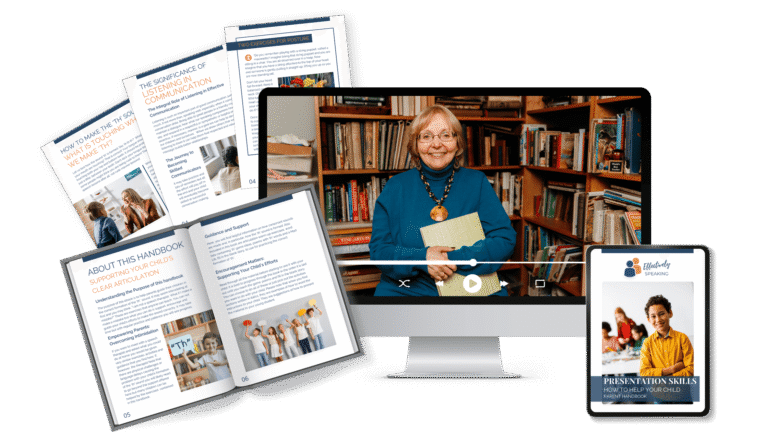
These resources are designed to build confidence, fluency, and communication skills in a supportive way.
Where to Start (and What Matters Most)
Reading aloud doesn’t need to feel stressful… for you or your child.
Start small. Choose material they enjoy. Keep it light and encouraging.
Progress comes from consistency, not perfection.
With time, patience, and the right approach, reading aloud can become something your child feels confident doing… and maybe even enjoys.
FAQ: Helping Kids Read Aloud
Why does my child struggle with reading aloud?
Children may struggle with reading aloud due to difficulty decoding words, limited vocabulary, lack of confidence, or low interest in the material. Identifying the cause helps you choose the right support strategy.
How can I improve my child’s reading fluency?
You can improve reading fluency by encouraging phrase-based reading, modelling expressive reading, building vocabulary, and practicing regularly in short, manageable sessions.
Should kids read aloud every day?
Short, regular practice is more effective than occasional long sessions. Even a few minutes of reading aloud several times a week can significantly improve fluency and confidence.
What type of books are best for reading aloud practice?
Books that match your child’s reading level and interests are best. Familiar stories, short passages, and engaging topics help build confidence and reduce frustration.
How do I make reading aloud less stressful?
Reduce pressure by choosing enjoyable material, reading together, and focusing on effort rather than perfection. Making reading interactive and fun can increase participation.
Is reading aloud important for older children?
Yes. Reading aloud continues to support fluency, comprehension, and communication skills, even for older children and teens.