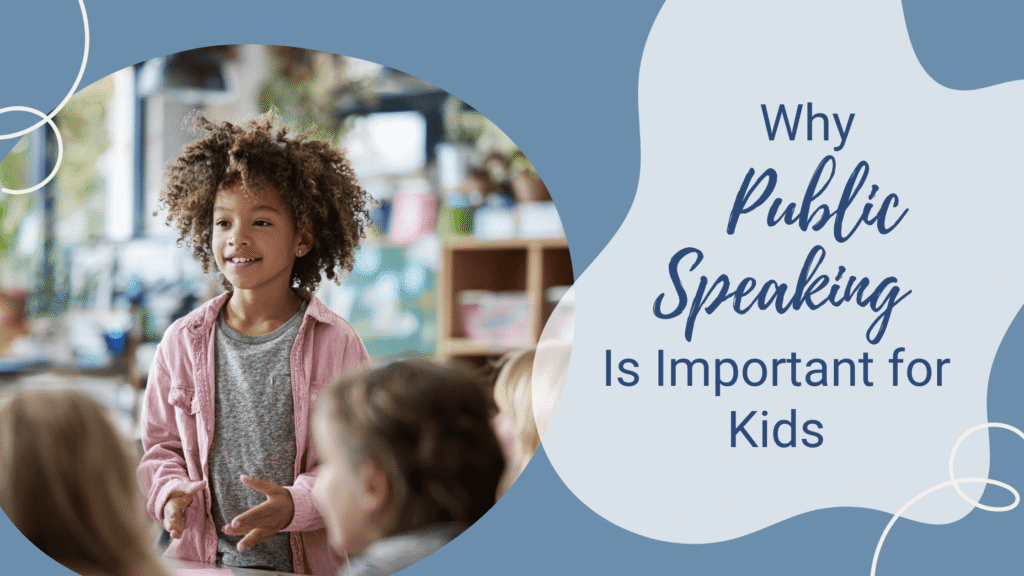
When people think about communication skills, they often think about one thing first:
Can I understand what the speaker is saying?
Parents may notice their child struggling with articulation and begin looking for ways to improve clarity and pronunciation.
Another common association is public speaking. Many people see it as a skill connected to presentations, school assignments, or future careers.
While both articulation and public speaking are important, they are only part of a much bigger picture.
Communication is not just about speaking clearly. It is about expressing ideas, connecting with others, and being understood with confidence.
A Few Key Things to Know
- Public speaking builds more than presentation skills
- It strengthens confidence, expression, and thinking skills
- It supports everyday communication, not just formal speaking
- Children can begin developing these skills at a young age
- Many communication skills grow together through practice
What Are Public Speaking Skills?
Public speaking skills are the abilities used to present ideas clearly, confidently, and effectively to others, including voice control, posture, eye contact, pacing, and expressive delivery.
These skills are not only useful for speeches. They influence how children communicate in everyday situations.
Public Speaking Builds More Than Just “Speaking”
Public speaking is often seen as standing in front of a group and delivering a speech.
But in reality, it helps develop many other communication skills at the same time.
1. Confidence and Presence
One of the most valuable outcomes of public speaking is confidence.
Children learn how to:
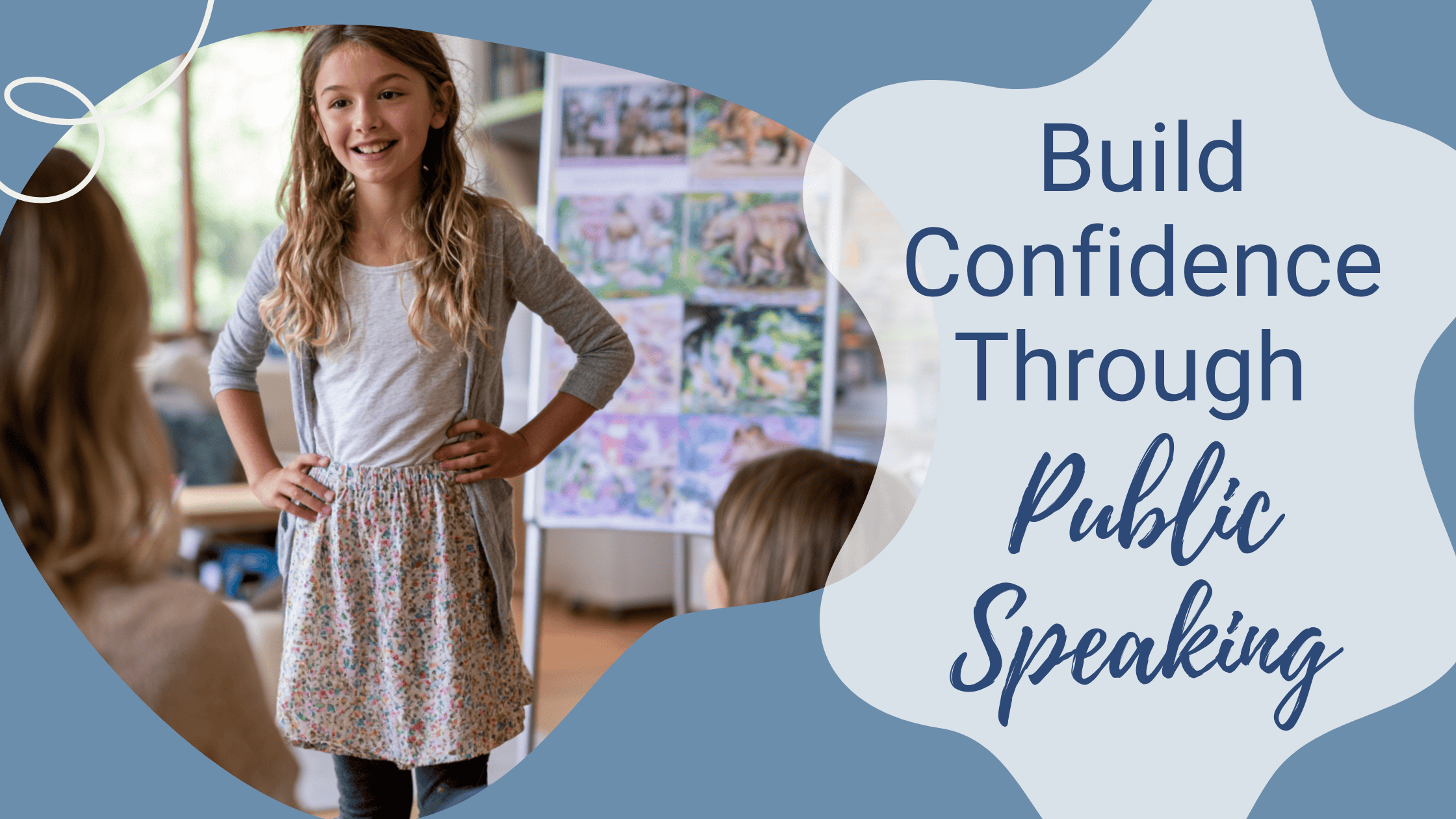
- stand with good posture
- use a strong, clear voice
- approach an audience with confidence
- hold attention
These skills extend beyond presentations.
They support everyday interactions, including conversations, classroom participation, and even friendships.
2. Eye Contact and Connection
Public speaking teaches children the importance of eye contact.
Eye contact communicates:
- I see you
- I hear you
- I am interested in what you are saying
This is not only important in speeches, but also in conversations and social interactions.
It helps children build stronger connections with others.
3. Clear and Understandable Speech
When children practice public speaking, they quickly learn something important:
If people cannot understand them, the message is lost.
They begin to develop:
- clear articulation
- appropriate pace
- strong volume
- intentional speech
5. Thinking and Organizing Ideas
Public speaking also develops thinking skills.
Children learn how to:
- organize their thoughts
- choose the right words
- explain ideas clearly
- speak without relying entirely on memorization
6. Different Types of Communication
- informative
- explanatory
- persuasive
- entertaining
- inspiring
Each of these builds a different skill.
For example:
- explanatory speaking supports teaching and learning
- persuasive speaking builds confidence in sharing opinions
- storytelling builds creativity and connection
You can explore more about expressive communication in resources like Sharing Opinions: From Thoughts to Words.
7. Storytelling and Creativity
Storytelling is an important part of communication.
It helps children:
- build imagination
- develop creativity
- think on their feet
- choose meaningful words
- connect with others through shared experiences
How Public Speaking Supports Everyday Communication
- conversation
- listening
- sharing ideas
- expressing opinions
- participating in group discussions
You may also find helpful ideas in Helping Your Child Start a Conversation.
These are the skills children use daily, not just on a stage.
When Should Children Start Learning Public Speaking?
Children can begin developing public speaking skills earlier than many people expect.
With the right guidance, they can learn:
- how to speak clearly
- how to express ideas
- how to feel more confident communicating
The goal is not perfection. It is comfort, confidence, and growth.
Helping Your Child Build Communication Confidence
Public speaking is one of the most effective ways to develop strong communication skills.
It brings together:
- confidence
- clarity
- expression
- connection
Frequently Asked Questions
Why is public speaking important for kids?
Public speaking helps children build confidence, improve communication skills, and learn how to express their ideas clearly. These skills support both academic success and social development.
What skills do children learn from public speaking?
Children learn confidence, clear speech, eye contact, expressive speaking, organization of ideas, and different communication styles such as persuasive and explanatory speaking.
At what age should kids learn public speaking?
Children can begin learning basic public speaking skills as early as elementary school. Skills can be introduced gradually in a supportive and age-appropriate way.
Does public speaking help shy children?
Yes. Public speaking can help shy children build confidence over time by giving them structured opportunities to practice speaking in a supportive environment.
Is public speaking only useful for presentations?
No. Public speaking skills support everyday communication, including conversations, social interactions, and expressing ideas clearly.
Support Your Child’s Communication Skills
Public speaking is not just about giving speeches. It is about helping children feel confident expressing themselves.
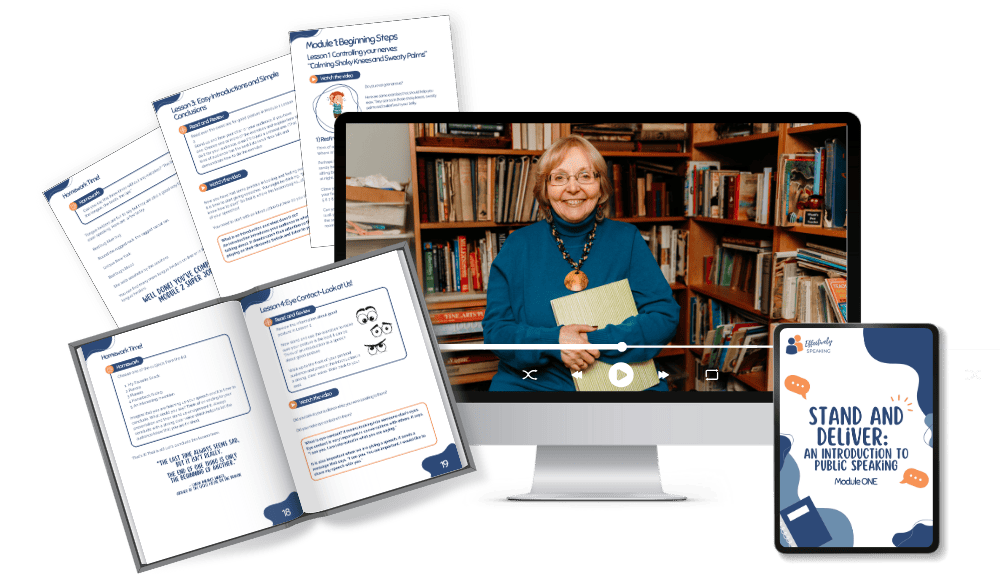
Effectively Speaking’s “Stand and Deliver” course is designed for children ages 7 to 12 to build strong communication skills in a supportive and structured way.
- posture and confidence
- eye contact
- projection and clarity
- pacing and expression
- how to structure simple speeches
Learn more about the Stand and Deliver course here.