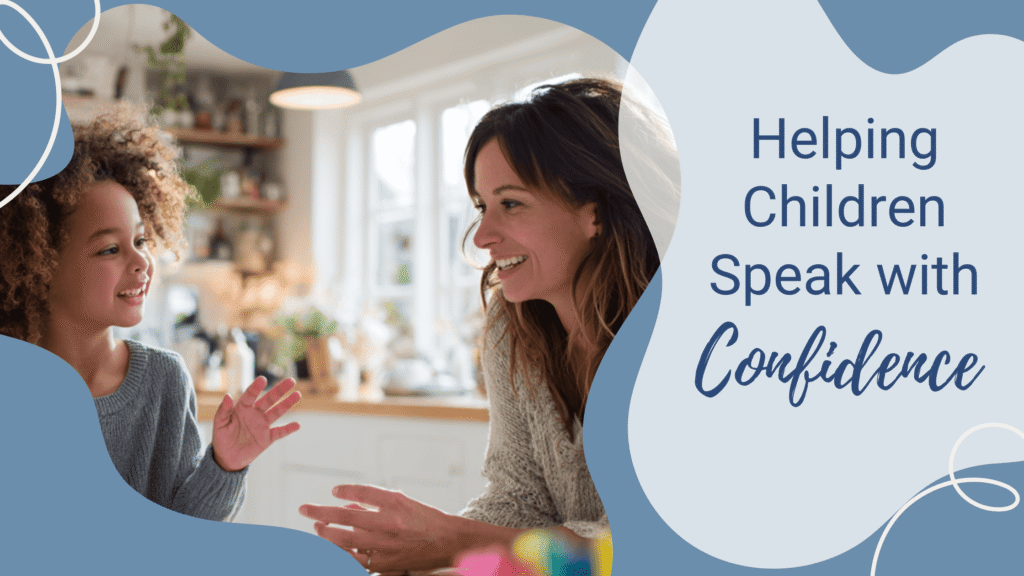
Have you ever listened to a child speak and found yourself thinking, “I know the words they’re saying, but I’m not quite sure what they mean?”
Many children struggle to express their ideas clearly. Their sentences may be repetitive, incomplete, or lacking the details needed to help others fully understand their thoughts.
The good news is that expressive speaking is a skill that can be developed.
By encouraging rich vocabulary, thoughtful conversations, and clear explanations in everyday life, you can help your child become a confident communicator. These skills not only support success in school but also lay the foundation for strong relationships, problem-solving, and future career opportunities.
Here are some simple ways to encourage clearer, more expressive speaking at home.
Build a Richer Vocabulary
Children can only use the words they know. The more meaningful vocabulary they learn, the easier it becomes to explain ideas, describe experiences, and express emotions.
You don’t need formal lessons to build vocabulary. Everyday activities work wonderfully.
Some ideas include:
- Playing word games like Scrabble.
- Completing word searches and crossword puzzles.
- Reading books together.
- Telling stories and discussing new words.
When reading aloud, pause occasionally to highlight interesting descriptive language.
For example, in Ralph S. Mouse by Beverly Cleary:
“The songs made Ralph feel gloomy as well as sulky.”
Rather than simply saying Ralph felt sad, these words help children understand more precise emotions.
Or consider this vivid description from The Thief Lord by Cornelia Funke:
“On the floor, sparkling in the dim light, lay a couple of silver spoons, a medallion, a magnifying glass with a silver snake coiled around its handle, and a pair of golden tongs, set with tiny precious stones with a handle shaped like a rose.”
Discussing passages like these helps children recognize how descriptive language paints a much clearer picture for the listener.
Be a Language Role Model
Children naturally learn from the language they hear every day.
Whether you’re cooking dinner, doing crafts, gardening, or playing sports, use precise vocabulary whenever possible.
For example, while baking, introduce words such as:
- Blend
- Sift
- Whisk
- Fold
- Meringue
Older children may also enjoy learning words like ganache or profiterole. You don’t need them to remember every term immediately. Simply exposing them to rich vocabulary helps expand their language over time.
Teachers can apply this same idea when encouraging students to replace general words with more accurate ones.
For example, instead of repeatedly using the word fight, students might choose words such as:
- Confrontation
- Dispute
- Conflict
- Battle
- Stand-off
Encourage Detailed Answers
Many children repeat themselves because they aren’t yet sure how to add meaningful detail.
Gentle follow-up questions encourage deeper thinking.
For example, if your child says:
“Coyotes are different from wolves.”
You might ask:
- How are they different?
- Is it their size?
- Their colouring?
- Their behaviour?
Or if they say:
“Swimming is more fun than biking.”
You could ask:
“What makes swimming more fun?”
These kinds of questions encourage children to explain their thinking rather than simply repeating the same idea.
Encourage Complete Sentences and Complete Thoughts
Sometimes children stop speaking before they’ve fully communicated their ideas.
Encourage them to use complete sentences and finish their thoughts.
You can even point out examples of incomplete explanations and discuss why they might confuse the listener.
The goal isn’t perfection. It’s helping children communicate in a way that others can easily understand.
Teach Children to Support Their Ideas
Strong communicators don’t simply share opinions. They explain why they think the way they do.
Whenever your child shares an opinion, encourage them to support it with:
- Personal experiences
- Facts
- Examples
- Observations
- Information they have learned from others
Learning to support ideas with evidence strengthens speaking skills, critical thinking, and confidence.
We’ll explore this topic in greater depth in an upcoming blog.
Try This Today
At dinner tonight, ask your child:
“Tell me one interesting thing you learned today. Now tell me why it was interesting.”
Encourage them to include at least three details before moving on to the next topic.
It’s a simple conversation that helps children practise organizing their thoughts and expressing themselves more clearly.
Every Conversation Builds Confidence
Helping children become clear, expressive speakers doesn’t require expensive programs or long lessons.
Small conversations throughout everyday life make a lasting difference.
Every new word they learn, every thoughtful question they answer, and every opportunity they have to explain an idea helps build confidence and communication skills they’ll use for the rest of their lives.
And as an added bonus, you’ll probably find that your own communication skills improve right alongside theirs.
That’s a win-win for everyone.
Continue Building Your Child's Speaking Skills
Looking for more practical ways to help your child become a confident communicator?
You may also enjoy these resources:
Parent Guide:

Sharing Opinions: From Thoughts to Words
This essential guide equips children with the skills to express their opinions with clarity and conviction. Packed with interactive activities, practical tips, and inclusive strategies, it encourages family-wide engagement in building stronger, more meaningful conversations and decisions.
Related Blogs:


You can also explore our Resources section for additional speaking activities, communication tips, and practical ideas to help children of every age become confident, effective communicators.